

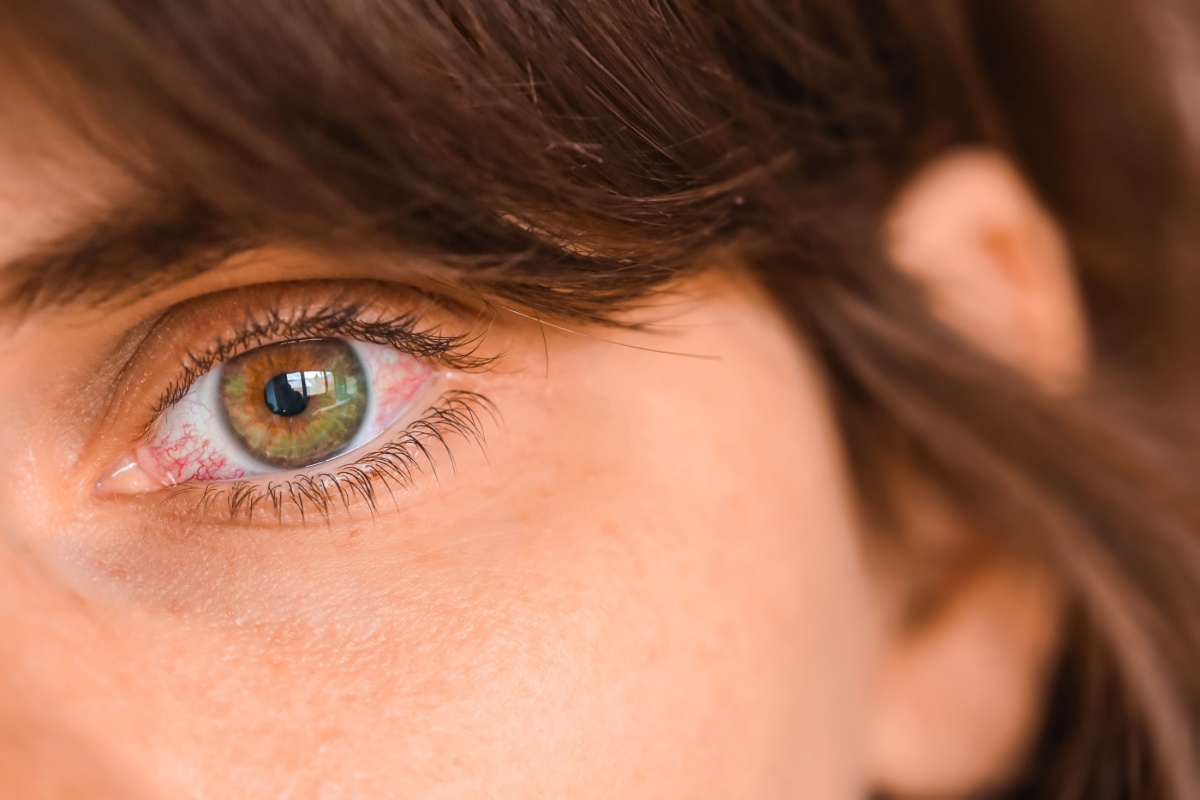
You might know the feeling all too well—that scratchy, gritty sensation in your eyes, as if a grain of sand is stuck. It can make reading a book, working on the computer, or even enjoying a sunny day feel like a chore. That constant discomfort can be distracting and frustrating, but the team at Vision for Life Eyecare can help.
Irritation often occurs when your tears do not provide enough moisture, which can be linked to your environment, daily habits, or overall health. When your eyes do not get the lubrication they need, they can feel sore and uncomfortable, sometimes requiring professional dry eye therapy for relief.
What Dry Eye Feels Like & Common Signs
Dry eye can show up in a few different ways, and you might experience one or several symptoms at the same time. You may notice your eyes feel tired more quickly than usual or that your vision becomes blurry after focusing for a while.
Common signs can include:
- A scratchy or gritty feeling
- Stinging or burning sensations
- Blurry vision or eye fatigue
- Redness and soreness
Why Are Your Dry Eyes So Watery?
It sounds strange, but dry eye can sometimes be very watery. When your eye feels irritated, your body sends a rush of tears as a defence.
However, these emergency tears are mostly water. They lack the right balance of oils and mucus needed to stick to your eye’s surface and provide lasting moisture. Because they lack the right consistency to properly soothe dryness, they evaporate too quickly.
Common Causes of Dry Eye Discomfort
Several factors in your life can contribute to that dry, uncomfortable feeling in your eyes. Sometimes it is one thing, and other times it is a combination of a few different elements from your day-to-day routine and your personal health.
Your Environment & Daily Habits
Your surroundings play a big part in how your eyes feel. The dry Alberta air, especially with heaters running in the winter and air conditioning in the summer, can pull moisture right from your eyes.
Other common factors include:
- Long hours spent looking at digital screens
- Dry air from indoor heating or cooling systems
- Windy, smoky, or low-humidity conditions

Your Health & Age
Changes within your body can also affect your tear production. As you get older, your body naturally produces fewer tears, which is why regular adult and senior eye exams are so helpful. Certain medications or health conditions can also reduce the quality or quantity of your tears.
Is It Dry Eye or Spring Allergies?
As the snow melts and spring arrives, it can be tricky to tell the difference between dry eye and seasonal allergies. Both can leave your eyes red and watery, but there is one key difference to look for—the itch. Allergies typically cause an intense, persistent itch, while dry eye usually feels more sore or gritty.
An allergy might make you want to rub your eyes constantly. With dry eye, you are more likely to feel a burning sensation or the feeling that something is in your eye. An optometrist can diagnose the underlying issue and help you find relief.
Simple Ways to Soothe Your Eyes at Home
You can make small adjustments to your daily routine to help your eyes feel more comfortable. These simple habits can restore moisture to your eyes and reduce irritation throughout the day. Consider trying a few of these at-home tips:
- Take regular breaks from screens using the 20-20-20 rule—every 20 minutes, look at something 20 feet away for 20 seconds.
- Use a humidifier to add moisture to the air in your home or office.
- Consider taking omega-3 supplements daily; look for one high in EPA and DHA, and aim for about 800 mg of EPA and 600 mg of DHA per day.
- Stay hydrated by drinking plenty of water throughout the day.
- Wear sunglasses outdoors to protect your eyes from wind and sun.
When to Visit Your Optometrist for Help
If you have tried home remedies and your eyes still feel persistently dry and uncomfortable, it may be time for a visit. You do not have to put up with discomfort that gets in the way of your daily activities, like driving, reading, or working.
A thorough eye exam can help identify the source of your discomfort. Your optometrist can assess your tear quality and eye health, and talk through your symptoms to build a plan that works for you. The team at Vision for Life Eyecare is here to guide you through your eye care journey with personalized care. Schedule a visit to discuss your symptoms and find a plan to help your eyes feel comfortable and clear again.