

You may notice small changes in your vision over time, like squinting to read a street sign or holding your phone a bit farther away. It can be hard to tell if these changes are just a part of life or a sign you need to see an optometrist. This guide can help you recognize the signs and understand the next steps for your eye health.
The clearest way to know if you need glasses is by scheduling a comprehensive eye exam with an optometrist who can assess your vision and eye health. Your eyes often provide clues, and an eye exam can provide clear answers. We can help you understand what your eyes are telling you.
Common Signs You Should See an Optometrist
Your body often gives you little hints when your vision needs some support. These signs are your cue to book an appointment with an optometrist. If you experience any of the following, it might be time for an eye exam:
- Blurry or fuzzy vision
- Difficulty seeing at night
- Frequent headaches—especially after you read or use a computer
- Eye strain or tired eyes
- Squint to see clearly
- See halos around lights
- Need to hold books or your phone farther away to read
Is It Tired Eyes or a Vision Problem?
It’s common to have tired eyes after a long day of focusing on screens or other tasks. This feeling usually goes away with some rest. If you feel constant eye strain that doesn’t improve, it could be a sign of an underlying vision issue.
An optometrist can help determine the cause of your discomfort. We look at the full picture of your eye health. This helps figure out if glasses or another treatment could help you feel more comfortable.
Why a Regular Eye Exam Is So Important
A comprehensive eye exam does more than check if you need glasses—it’s a key part of your overall health care. A visit to your optometrist offers a complete look at the health of your eyes. It’s a proactive step for your long-term well-being.
Correct Your Vision Accurately
During an exam, an optometrist can identify the exact prescription you need to see clearly. This precision helps reduce the eye strain and headaches that can come from an uncorrected vision problem. Clear vision can make daily activities much more enjoyable.
Detect Eye Conditions Early
Some eye conditions don’t have obvious symptoms in their early stages, so you might not know something is wrong. Regular exams allow your optometrist to spot these conditions sooner. Early detection is crucial for the diagnosis and management of eye diseases and can help protect your sight.
Do You Need Glasses with 20/20 Vision?
Yes, it’s possible to have 20/20 vision and still benefit from glasses. The term “20/20” refers to your ability to see clearly at a distance. You might still struggle with eye strain, headaches, or trouble with close-up tasks.
An optometrist can check for other issues like astigmatism or farsightedness that affect your visual comfort. Glasses can often relieve these symptoms. They help your eyes work more efficiently.
How Often You Should Visit Your Optometrist
The recommended frequency for eye exams often depends on your age, health, and risk factors. Following a regular schedule, like the one suggested by the Canadian Association of Optometrists, helps you maintain your vision and eye health through every stage of life. It’s a simple way to stay on top of your health care.
Eye Exam Schedule for Children and Teens
School-age children and teens from 6–19 years old should have an eye exam every year. Their eyes change quickly as they grow, and good vision is important for learning and development. An annual visit helps address any changes promptly.
Eye Exam Schedule for Adults
Adults from 20–64 should see their optometrist for an exam at least every 2 years. If you have specific health conditions like diabetes or risk factors for eye disease, we may suggest more frequent visits. This helps us monitor your eye health closely.
Eye Exam Schedule for Seniors
Adults aged 65 or older should have an eye exam with an optometrist annually. Regular check-ups are important for monitoring age-related eye conditions. We can help you keep your vision clear as you get older.
What to Expect at Your Optometrist Appointment
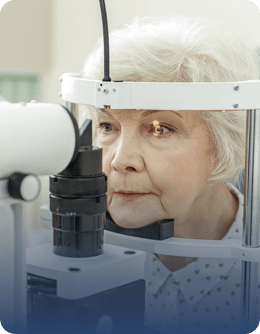
An eye exam is a straightforward and comfortable process. Your optometrist will guide you through a few simple steps to get a full picture of your eye health. We are here to answer any questions you have along the way.
- Talk about your health history: We’ll start by chatting about your general health, your family’s health history, and any vision problems you’ve noticed. This conversation helps us understand your unique needs.
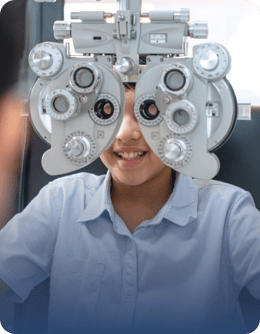
- Test your vision: You’ll read from an eye chart to check how clearly you see at different distances. This familiar test gives us a baseline for your vision.
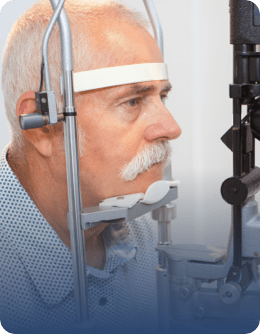
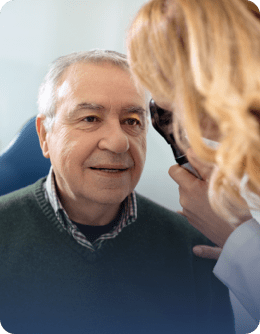
- Check your eye health: Your optometrist uses diagnostic technology to look at the internal and external parts of your eyes. This part of the exam lets us check for signs of eye conditions. Sometimes, this involves a dilated eye exam to get a better view of the back of your eye.
The Benefits of Glasses from Your Optometrist
Once you have a prescription, getting your glasses from an optometry clinic offers several advantages. It’s about more than just the lenses—it’s about the personalized care and support you receive. We want you to feel confident in your new eyewear.
Get an Accurate Prescription and Fit
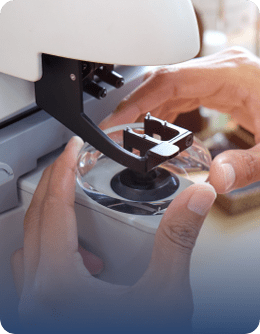
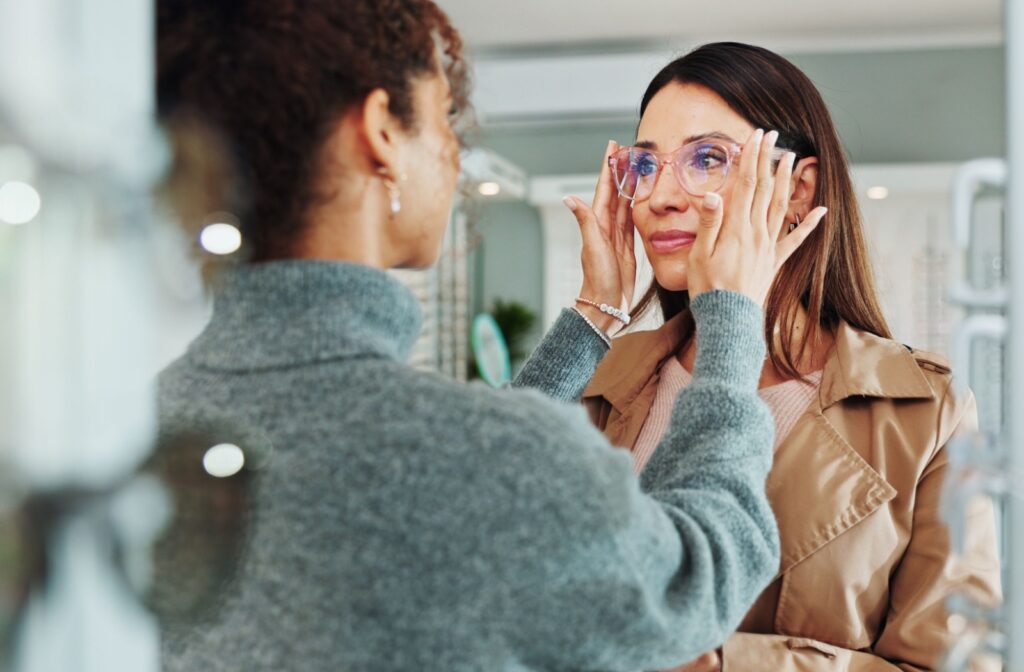
Our team makes sure your lenses match your prescription precisely for the clearest vision possible. We also help you choose frames that fit your face properly. A good frame fit is important for both comfort and visual clarity.
Receive Continued Support and Care
When you get glasses from your optometrist, you can return for adjustments and support whenever you need it. This continued relationship helps you keep your eyewear in great shape. We’re here to help you get the most out of your glasses.
Eye Care That Supports Your Whole Health
Taking care of your eyes is an important part of your overall health. If you’ve noticed any changes in your vision or it’s simply time for a check-up, we’re here for you. At Vision For Life Eyecare, we want to guide you through your eye care journey with friendly and knowledgeable support. Book an appointment with an optometrist today to get a clear picture of your eye health.