

Key Takeaways
- A contact lens exam is different from a regular glasses exam and requires its own prescription.
- Your optometrist fits you with trial lenses before writing a full prescription.
- Different lens types exist for different needs, including astigmatism and aging vision.
- Buying contacts in person at a local optometrist gives you professional support that online retailers can’t match.
- Following your replacement schedule and attending regular follow-ups helps protect your eye health long term.
Maybe you’ve decided that contacts might work for you, or maybe you’re just curious what the process of switching to contacts actually looks like. Either way, getting contact lenses isn’t as simple as picking a pair off a shelf. There are a few different steps involved, and each one matters for making sure that your contacts are comfortable, safe, and right for your eyes.
To get contact lenses, you start with a contact lens exam, get a prescription, get fitted with trial lenses, and then purchase the right lenses for your needs. Our team at Vision for Life Eyecare is here to help you understand that process, including why where you buy your contacts matters.
Start with an Eye Exam
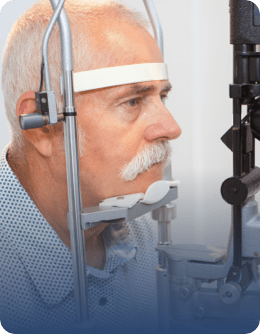
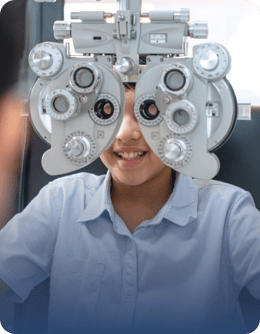
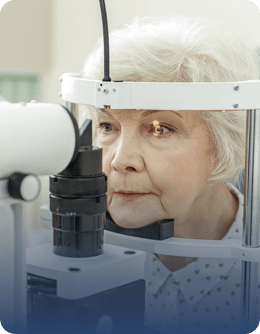
A contact lens exam goes beyond checking how clearly you can see. Your optometrist also looks at the health of your eyes and measures your cornea to find the right lens size and shape. These details aren’t available from a glasses exam, which is why the two are done separately.
Annual exams keep your prescription accurate and catch any changes in your eye health early. Skipping eye exams means you might be wearing lenses that no longer match your eyes, which can cause discomfort or put your vision at risk over time.
Your Contact Lens Prescription Explained
Glasses vs. Contact Lens Prescriptions
Your glasses prescription and your contact lens prescription are not the same thing, and they can’t be swapped. Contacts sit directly on the surface of your eye, so they need additional measurements like base curve and diameter that a glasses prescription simply doesn’t include. If you try to order contacts using your glasses prescription, you’re likely to end up with lenses that don’t fit properly.
Options for Different Eye Needs
Not everyone’s eyes are the same, and contact lens options reflect that. For instance, if you have astigmatism, toric lenses are designed to stay in position and offer clearer vision. On the other hand, if your near vision has shifted with age, multifocal lenses can help you see clearly at different distances without needing reading glasses. Your optometrist can help you figure out which option fits your situation.
Choosing the Right Type of Contact Lens
Daily, Biweekly, or Monthly Lenses
Daily lenses are single-use. You put in a fresh pair each morning and throw them out at night, so there’s no solution, case, or cleaning routine to worry about.
Biweekly and monthly lenses are reusable and need to be cleaned and stored properly after each use. Biweekly lenses are typically replaced every 1–2 weeks, while monthly lenses are replaced every month. These options can cost less per lens than dailies but require consistent care to keep them safe and comfortable to wear.
The right choice depends on your lifestyle, your eye health, and how often you plan to wear contacts. Your optometrist can help you compare the benefits of each option during your fitting appointment.
Trial Lenses and the Fitting Process
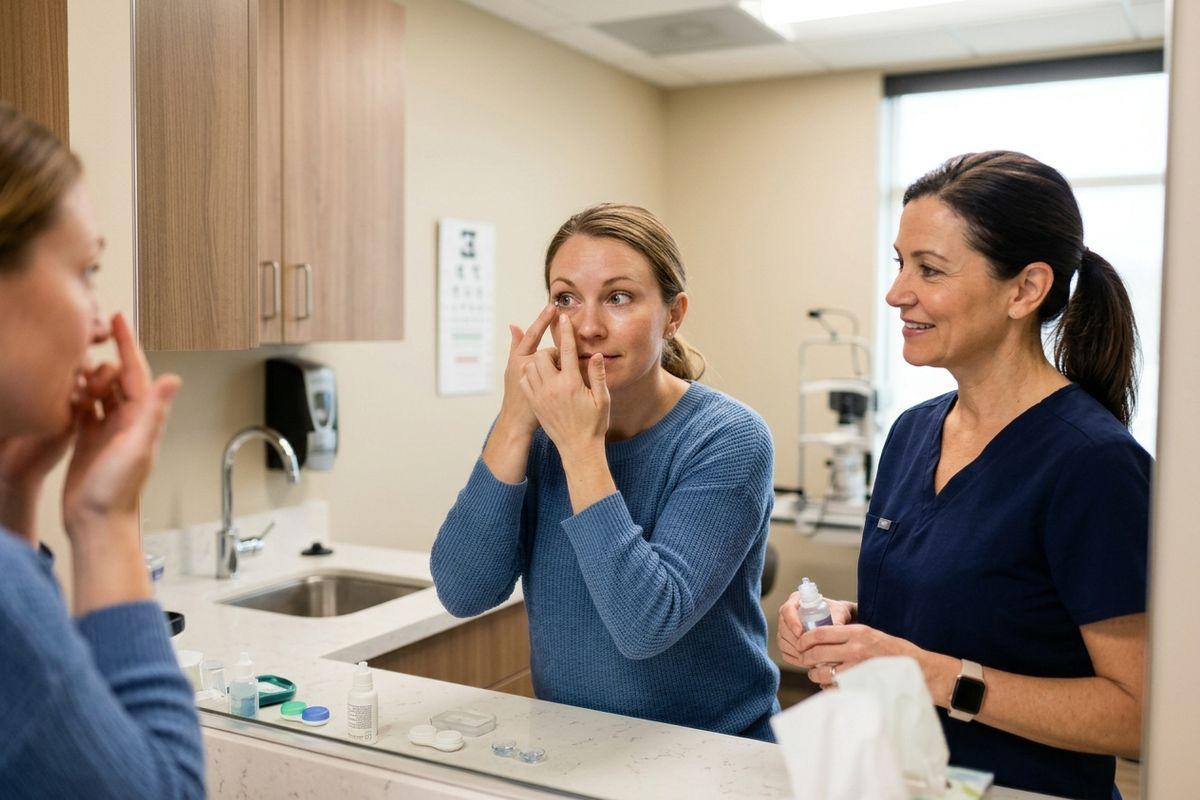
Before any full prescription is written, your optometrist provides trial lenses so you can wear them and see how they feel. This step matters. A lens might look right on paper but feel off in practice. The fitting process gives you a chance to flag any discomfort before you commit to a full supply.
Where to Buy Your Contact Lenses
Benefits of Buying In-Person at a Local Optometrist
When you buy contacts from the optometrist who fitted you, the team already knows your prescription history, your eye shape, and what worked during your trial fitting. That context is important.
- If a lens feels off or irritates your eye, you can get same-day support from someone who knows your file.
- You’re far less likely to receive the wrong product because the order goes through someone who has seen your prescription firsthand.
- Any questions about care, wear time, or lens type can be answered by the same team that examined your eyes.
- Many local optometry clinics also have access to manufacturer rebates and special promotions, which can make the cost of contact lenses more competitive than you might expect.
Risks of Online and Big-Box Retailers
Online retailers and big-box chains can look appealing because of lower upfront prices. But there are real trade-offs that aren’t always obvious until something goes wrong. Proper contact lens care requires knowing your specific lenses, and that’s harder to navigate without professional support.
- If the wrong lenses are shipped, there’s no professional on the other end to catch the error or help you sort it out quickly.
- Returns and exchanges through large retailers can take days or weeks, leaving you without lenses in the meantime.
- If your eyes feel uncomfortable, you’re on your own. There’s no practitioner to call who knows your history.
Saving a few dollars upfront can turn into a much bigger hassle if the wrong lenses arrive or your eyes react poorly to a product that no one helped you select.
Tips for Wearing Contacts Comfortably
Getting fitted is just the beginning. How you care for your lenses day-to-day makes a big difference in how your eyes feel and how healthy they stay.
- Stick to the replacement schedule your optometrist sets. Wearing lenses longer than recommended raises the chance of irritation and infection.
- Use the contact lens care solution your optometrist recommends. Different solutions aren’t always interchangeable, and switching products without guidance can cause irritation or discomfort for some people.
- Give your eyes regular breaks. On days when your eyes feel tired or dry, glasses are a good option.
- Keep up with your follow-up visits so your optometrist can spot any changes before they become a problem.
Contacts are a comfortable, practical option for many people when they’re worn correctly and kept up with properly. However, if dry eyes are making your lenses harder to wear, our dry eye therapy page explains what options are available to help.
Ready to Take the Next Step?
Our team at Vision for Life Eyecare is here to guide you through the whole process, from your first contact lens exam to finding the right lenses for your eyes and lifestyle. Book your appointment today and find out if contacts are a good fit for you.