
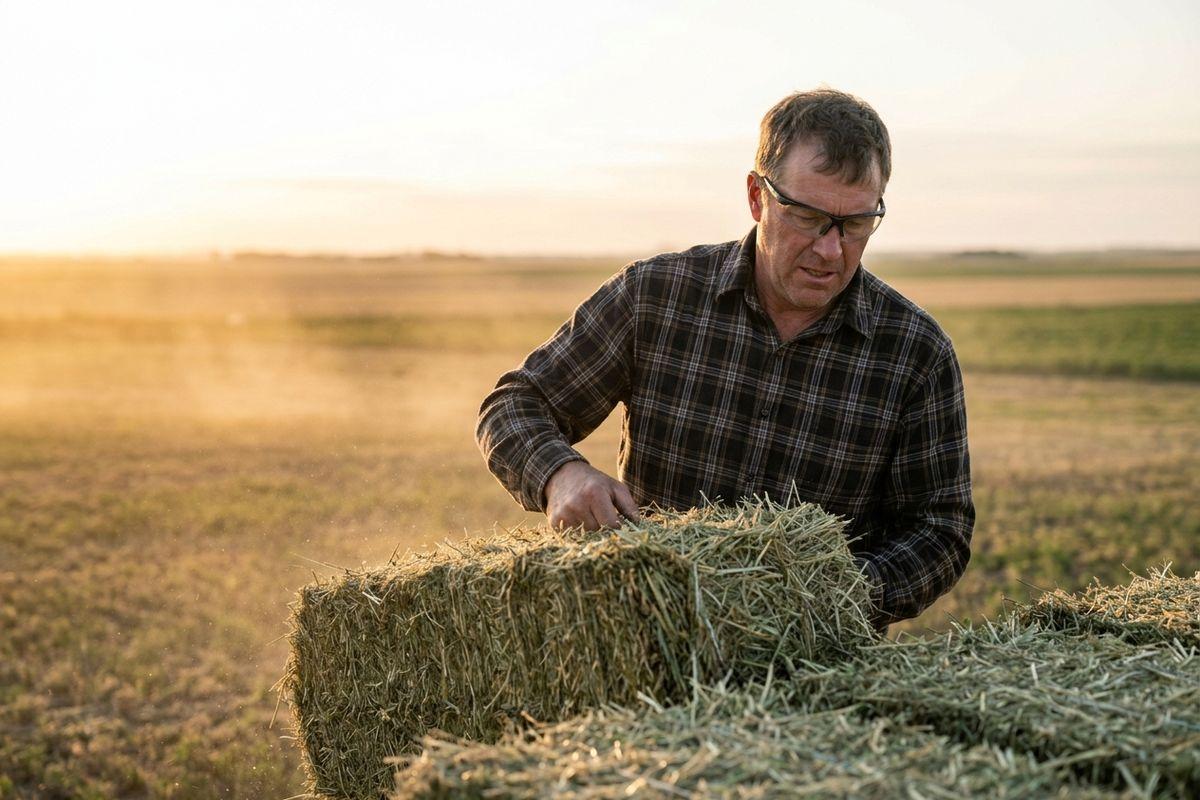
If you wear glasses, plenty of everyday jobs put your eyes close to dust, wood chips, and metal shavings. Regular frames aren’t made for those hazards. And goggles pulled over your glasses can start to feel bulky long before the day is done.
Prescription safety glasses combine your prescription with safety-rated frames and lenses, so you can see clearly and protect your eyes on the farm, in the shop, or in the oilfield. A comprehensive eye exam gives your optometrist an up-to-date look at your vision, and we can help you choose frames and lenses that suit the work you do each day.
How Prescription Safety Glasses Protect Your Eyes
Your everyday glasses help you read the feed bill and watch the road. Their frames and lenses aren’t rated to take a hit from flying debris, though.
Safety eyewear is designed and tested for workplace hazards. Approved glasses with side shields can help protect your eyes from particles that come at you from the front, the sides, above, or below. Put your prescription into safety glasses to get clear vision and eye protection in the same pair. You can read the small numbers on a gauge without stacking goggles over your regular frames.
Think about everyone in your household who works with their hands, too. A teenager helping with harvest or a parent who still tinkers in the garage may benefit from a pair made for their eyes.
What to Look For in Prescription Safety Glasses
In Canada, safety eyewear is measured against the CSA Z94.3 standard for eye and face protectors. With prescription safety glasses, manufacturers test the lenses and frames separately. Look for a CSA marking on both before you rely on a pair at work.
The standard also requires a qualified professional to fit prescription safety eyewear. Your optometrist can measure how the frames sit on your face and make sure your lenses line up with your eyes.
Lens Options That Suit Your Work
Impact-resistant plastic lenses, including polycarbonate, can work well for tasks like splitting firewood or cutting fence wire.
Do you wear bifocal, trifocal, or progressive lenses? Ask about lens material before you order, since glass versions have impact limits. We can walk you through your options and help you find one that fits your prescription and your workday.
Safety Glasses for Farm, Shop, and Oilfield Work
Each type of work puts different demands on your glasses, so the pair you wear in the barn may not suit a lease site.
Farm and Outdoor Work
A lot of farm chores can send dust and debris toward your face:
- Baling hay
- Cleaning grain bins
- Mowing ditches
- Sweeping out the barn
Safety glasses can help shield your eyes through each of these. A pair that sits snugly without pinching behind your ears is easier to keep on from sunup to sundown.
If you’d like tinted lenses for bright days, save them for outdoor work. That way, you can still see clearly when you step into a dim shed or barn.
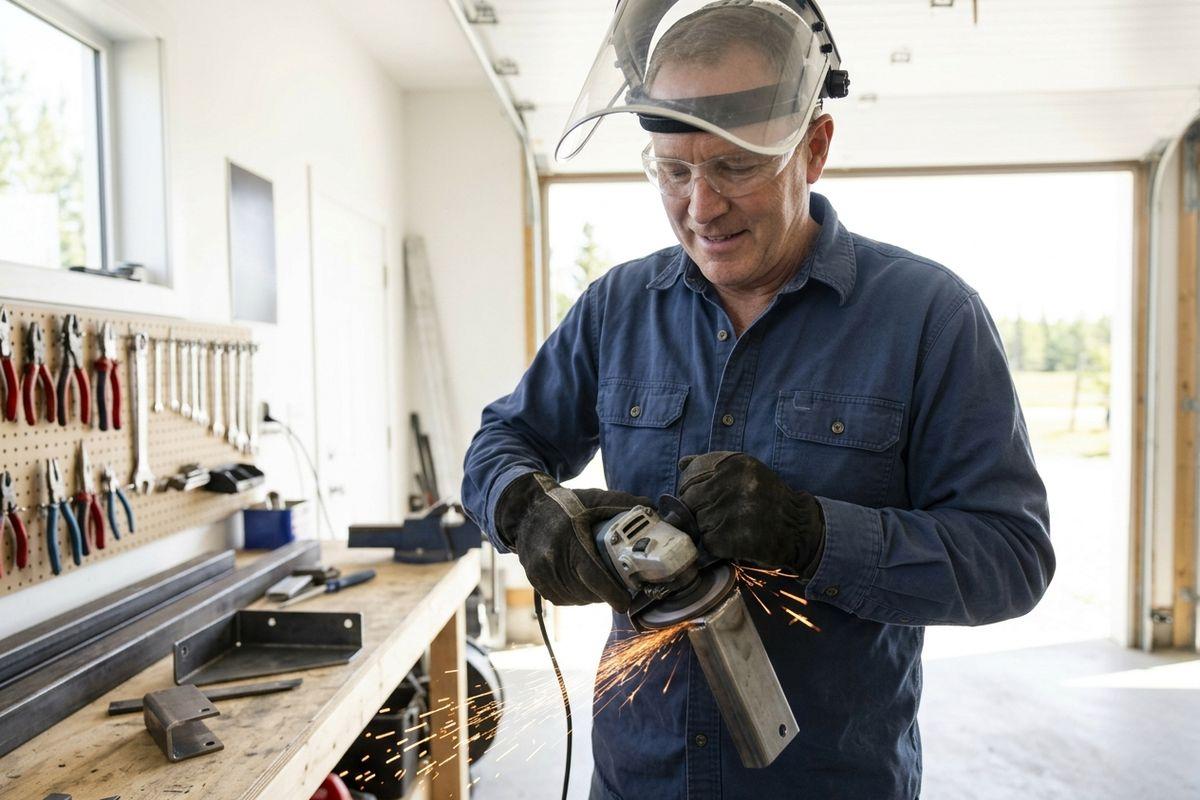
Shop and Garage Projects
Sweeping the floor and running an angle grinder call for different eye protection. For higher-risk tasks, wear a face shield over your safety glasses. Keep your glasses on under the shield, since a face shield isn’t meant to be worn on its own.
Oilfield and Job Site Rules
On many oilfield and job sites, CSA-approved safety glasses are required gear, right alongside your hard hat and steel-toe boots. Employers choose protective equipment based on each job’s risks.
Bring your site’s requirements to your appointment. We’ll help you pick a pair that meets them.
Wearing Contact Lenses with Safety Glasses
Some job sites can make contact lenses risky for your eyes, so let your optometrist know where you work. If you do wear contacts on the job, you’ll still need safety glasses over them.
Signs It’s Time to Replace Your Safety Glasses
Look over your glasses each day and clean them often, following the manufacturer’s directions. Keep them in a case when you’re not wearing them so they don’t get scratched in a toolbox or truck console.
Even with good care, your glasses won’t last forever. Watch for these signs that it’s time for a new pair:
- Scratches on your lenses
- Chips or cracks in your lenses
- Frames that are bent or broken
- Frames that feel loose or slide down your nose
- Vision that looks blurry with your current prescription
Find Prescription Safety Glasses That Fit Your Workday
An updated prescription can help you see the gauge, the fence line, and the road clearly. When you come in, tell your optometrist about your daily tasks and the hazards you face, from sawdust to flying gravel. We’ll also check how your frames fit, so your glasses can stay put through long days on the job.
Book your eye exam with Vision for Life Eyecare and start choosing prescription safety glasses for your next workday.